Alabama-Coushatta Tribe Launches Naskila Casino Resort Project with Groundbreaking Ceremony in Leggett

The Alabama-Coushatta Tribe of Texas held an official groundbreaking ceremony on June 18 for the Naskila Casino Resort in Leggett within Polk County, and this event marks the start of construction on a permanent facility that will feature a state-of-teh-art casino floor along with hotel accommodations and multiple dining and entertainment venues all situated on tribally owned land. Observers note that the project follows the 2023 U.S. Supreme Court ruling regarding Class II gaming eligibility for the site, while plans move forward simultaneously for a temporary casino operation that will open during summer 2026 with 300 electronic bingo machines and approximately 110 jobs.
Project Scope and Location Details
Construction crews began site work immediately after the ceremony on the Leggett property, and the full resort development encompasses gaming spaces designed for Class II operations plus lodging facilities and various food and entertainment outlets that together form a comprehensive destination. Those who've studied the timeline know the permanent structures will replace the interim setup once completed, yet the temporary casino serves as an early operational phase that brings initial employment opportunities to the region. Data from project announcements indicate the temporary facility focuses on electronic bingo machines which align with the Class II parameters established after the Supreme Court decision.
Background on Regulatory Developments
The 2023 Supreme Court ruling clarified gaming eligibility for the Leggett site and this clarification allowed the tribe to proceed with both temporary and permanent plans under federal guidelines for Class II activities. Experts have observed that such rulings often streamline subsequent steps for tribal projects and in this instance the decision directly preceded the June 2026 groundbreaking activities. According to reports the temporary casino opening this summer will provide a bridge to full resort operations while generating early revenue streams and workforce experience ahead of the larger buildout.
Temporary Facility Timeline and Employment Figures
Summer 2026 remains the target launch window for the temporary casino which will operate with 300 electronic bingo machines and create around 110 positions during its initial run. Project documents show these machines represent the core gaming offering until the permanent casino floor comes online and hiring processes for the temporary phase have already started in Polk County communities. Figures reveal that the job count provides a measurable economic starting point even as construction on the resort's hotel and entertainment venues advances in parallel.
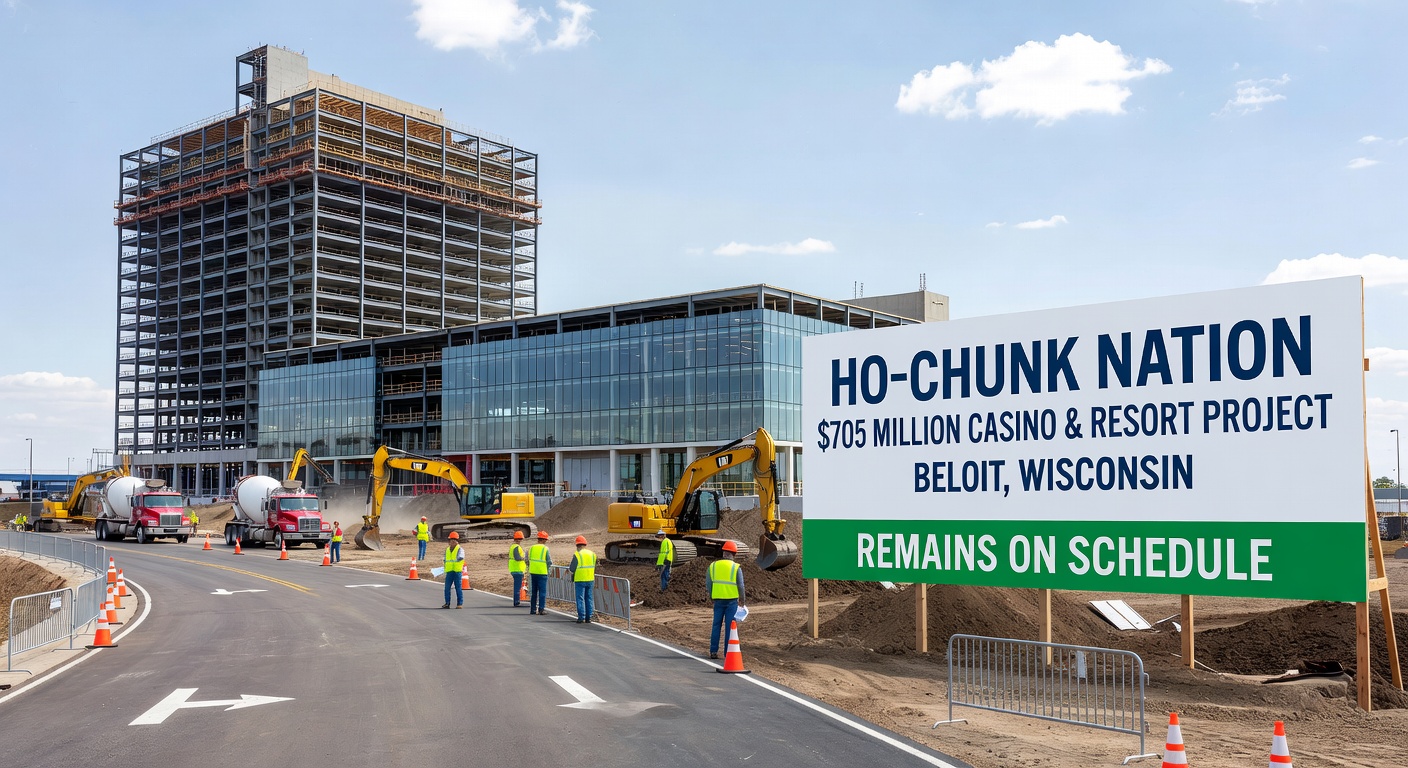
Site preparation includes grading and infrastructure work that supports both the temporary gaming area and the eventual permanent structures, and contractors coordinate these phases to minimize delays between the summer 2026 opening and later resort completion. People familiar with similar tribal developments note that phased approaches like this one allow operational testing before full-scale facilities open their doors.
Integration with Tribal Land Ownership
All construction occurs on land already held by the Alabama-Coushatta Tribe which eliminates certain permitting hurdles that commercial projects often encounter. The location in Leggett sits within Polk County near Livingston and offers direct access for regional visitors while maintaining tribal sovereignty over the gaming activities permitted under the post-2023 framework. Reports confirm that the resort design incorporates multiple dining options and entertainment spaces intended to complement the casino floor and hotel accommodations in a single integrated complex.
Conclusion
Groundbreaking activities in June 2026 set the Naskila Casino Resort on a clear path toward completion with the temporary casino serving as an operational milestone during summer of that year. The combination of Class II gaming facilities, lodging and dining venues on tribally owned land reflects the regulatory clarity gained from the 2023 Supreme Court ruling and establishes measurable employment benchmarks starting with 110 positions at the interim site. Observers continue to track progress on the Leggett project as construction advances through subsequent phases.