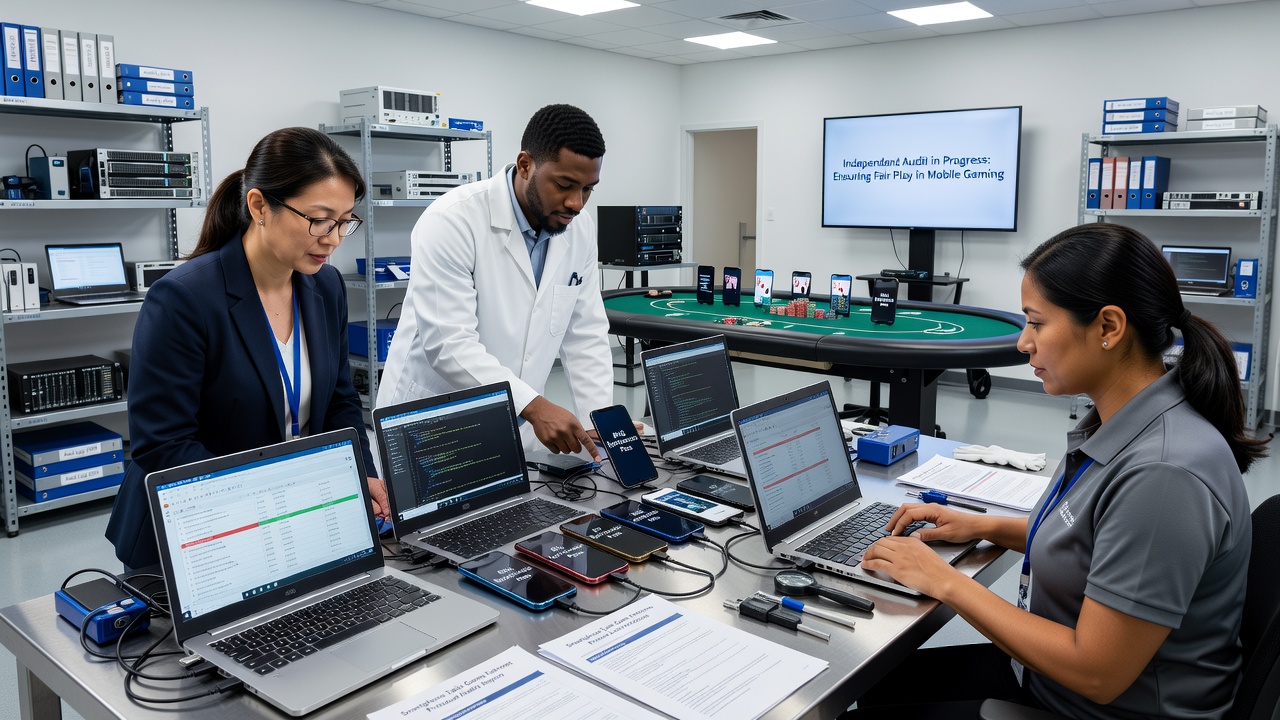
Behind the Scenes of Independent Lab Audits for Smartphone-Based Table Game Fairness Protocols
Independent laboratories conduct detailed audits on smartphone-based table game systems to confirm that fairness protocols meet regulatory standards across multiple jurisdictions, and these evaluations focus on random number generators along with algorithmic integrity for games such as blackjack and roulette delivered through mobile applications. Testing begins when developers submit software packages that include source code, payout tables, and device compatibility data, after which labs apply standardized procedures to verify that outcomes remain unpredictable and consistent with stated probabilities.
Initial Submission and Documentation Review
Developers prepare comprehensive documentation that outlines the table game mechanics, including how card decks are simulated and how betting limits adjust across different smartphone operating systems, and labs examine these materials for completeness before moving into active testing phases. Observers note that documentation often covers encryption methods used to protect data streams between mobile devices and game servers, while researchers cross-reference code against established mathematical models to identify any potential deviations from expected behavior.
Core Testing Procedures for Mobile Environments
Labs run extensive statistical sampling on random number generators that power smartphone table games, applying millions of simulated rounds to measure distribution patterns and confirm that results align with theoretical probabilities without bias toward specific outcomes. Device variability receives particular attention because smartphone hardware differences in processors and memory allocation can influence how games execute, so technicians test across various models to ensure consistent fairness regardless of the handset used. And because mobile networks introduce latency factors, auditors evaluate how connection interruptions affect game states and whether restoration protocols preserve fairness during reconnections.
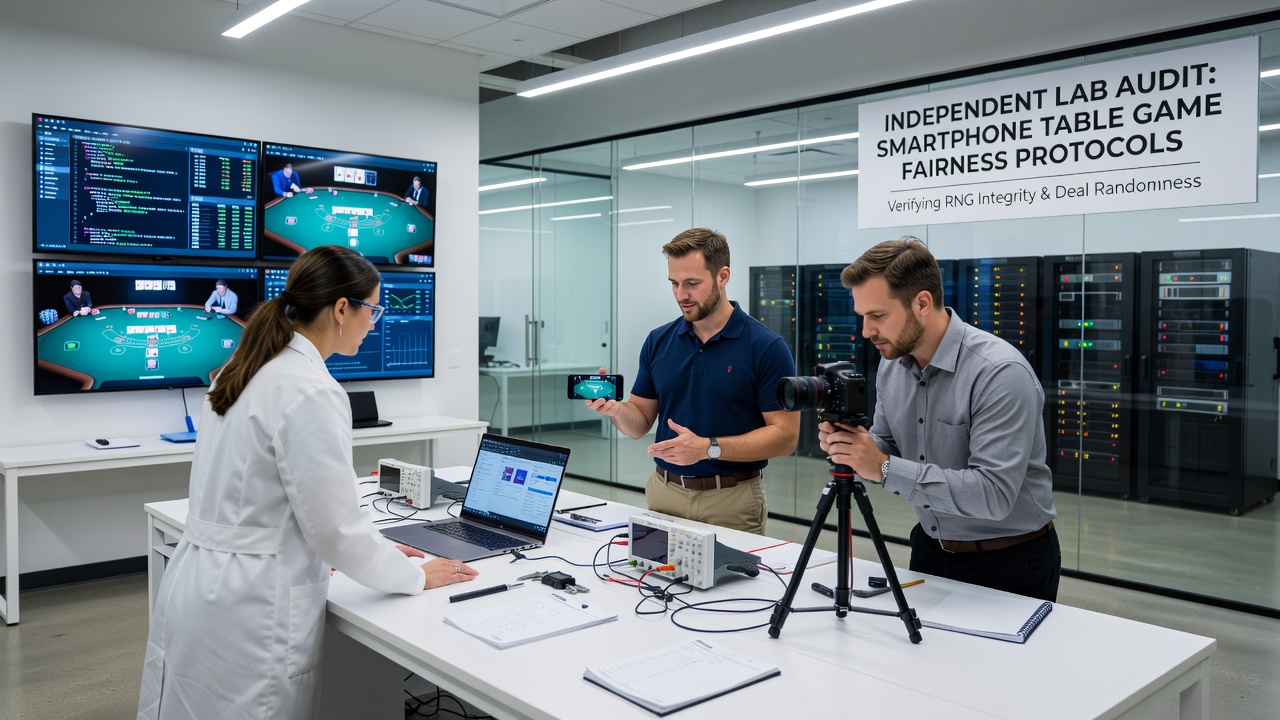
Regulatory Alignment and Certification Steps
After initial tests conclude, labs compile reports that detail compliance with jurisdiction-specific requirements, and these documents reference guidelines from bodies such as the Nevada Gaming Control Board for North American operations along with standards from the iGaming Ontario framework for Canadian markets. In August 2026, several labs reported increased scrutiny on real-time data logging features in smartphone applications, prompting developers to enhance audit trail capabilities before resubmission. Certification follows only after all identified issues receive resolution and retesting confirms that fairness protocols operate as intended across live network conditions.
Handling Updates and Ongoing Monitoring
Software updates for mobile table games trigger fresh audit cycles because even minor changes to algorithms or user interfaces can alter fairness characteristics, and labs apply abbreviated sampling methods to verify that core random processes remain intact. Researchers have documented cases where minor code revisions in shuffle routines required full re-evaluation after initial sampling revealed statistical anomalies that did not appear in prior versions. Ongoing monitoring programs established by regulators require periodic retesting, often on an annual basis or following significant platform changes, to maintain certification validity.
Conclusion
Independent lab audits for smartphone-based table game fairness protocols combine rigorous statistical analysis with platform-specific evaluations to support regulatory compliance across regions, and the process adapts continuously to address new mobile technologies and update patterns. Data from these audits contributes to broader industry efforts that track performance metrics and inform future protocol refinements.