Blockchain's Role in Verifying Slot Machine Integrity: From Ledger Entries to Real-Time Audit Trails in Licensed Digital Casinos
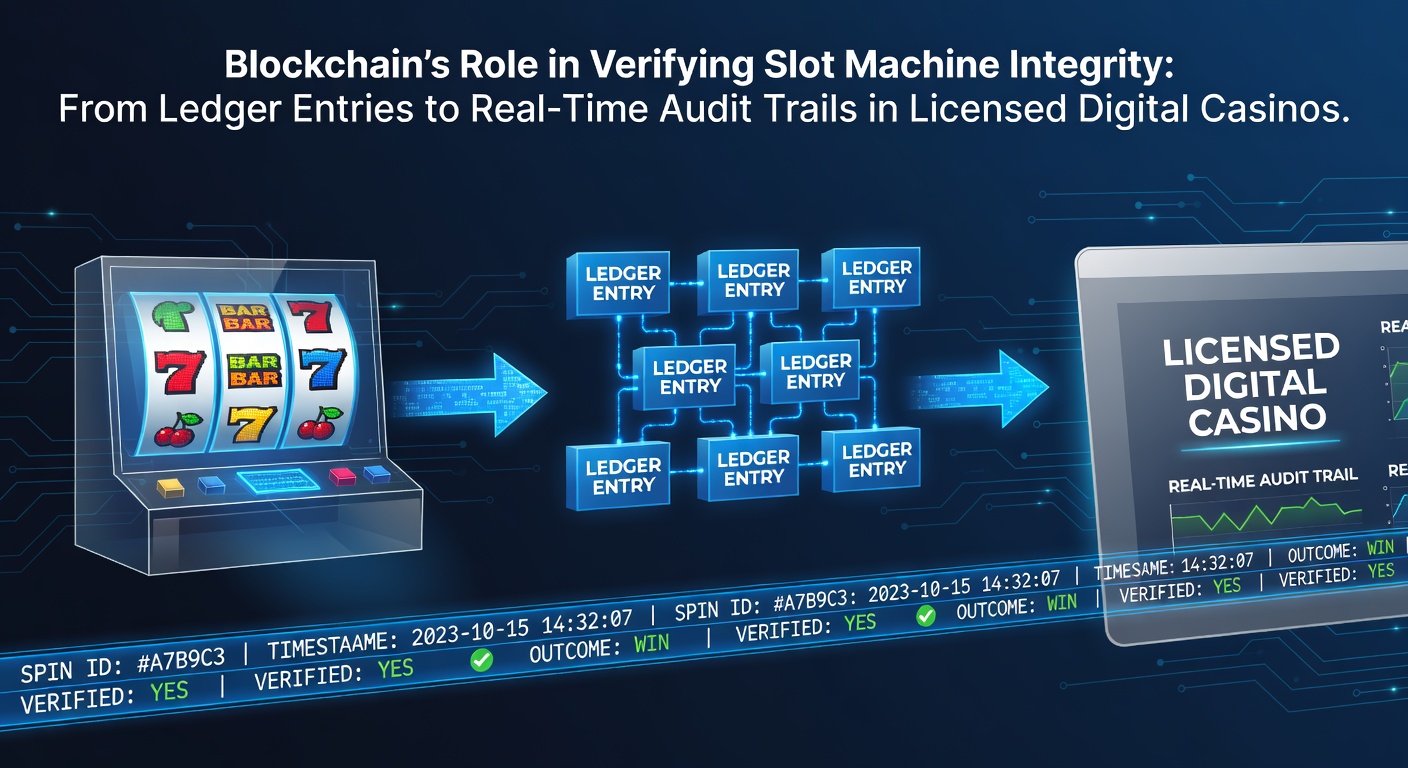
Digital casinos licensed across multiple jurisdictions now rely on blockchain systems to record every slot machine interaction as an immutable entry in a distributed ledger, and this approach creates verifiable proof of random number generator performance without exposing internal code to third parties. Operators integrate these ledgers directly into gaming platforms so each spin outcome, timestamp, and wager amount becomes a permanent block that regulators can query at any moment.
Distributed Ledgers Replace Centralized Logs
Traditional slot systems stored results in operator-controlled databases that required periodic manual audits, yet blockchain replaces those single points of failure with networks where multiple nodes validate and store identical copies of every transaction. Licensed platforms in North America and Europe adopted this model after 2024 regulatory updates that encouraged transparent verification methods, and by May 2026 several major operators had completed full migrations to permissioned blockchain environments that still meet data-privacy standards.
Each ledger entry contains cryptographic hashes linking it to the previous block, which prevents retroactive alteration even if one node experiences a breach, and this chain structure allows independent auditors to confirm that historical results match the published random number generator seeds without requesting raw server access.
Real-Time Audit Trails in Licensed Operations
Real-time audit trails emerge when blockchain nodes stream new blocks to regulatory dashboards the moment a spin completes, and oversight bodies receive continuous feeds rather than waiting for end-of-month reports. Systems deployed in 2025 and refined through early 2026 now flag statistical deviations within seconds, giving compliance teams immediate visibility into payout ratios and sequence integrity across thousands of machines simultaneously.
Observers note that these live trails reduce the window for undetected anomalies because every data packet carries a timestamp and digital signature that regulators can cross-check against independent node records. In practice, a licensed operator in a U.S. state can share read-only ledger access with state gaming authorities while keeping player identities encrypted through zero-knowledge proofs.

Regulatory Adoption Patterns Through 2026
Regulatory bodies in different regions have moved at varying speeds toward blockchain verification requirements, and data from the Nevada Gaming Control Board shows that over 60 percent of digital slot licenses renewed in 2025 included optional blockchain audit modules. Canadian provincial regulators followed similar patterns, with Ontario's Alcohol and Gaming Commission publishing integration guidelines that took effect in January 2026.
Industry reports from the International Association of Gaming Regulators indicate that European operators outside the United Kingdom have tested hybrid models combining blockchain ledgers with existing RNG certification processes, and these pilots demonstrated a 40 percent reduction in audit preparation time according to aggregated operator submissions. Academic studies from research institutions such as the University of Nevada, Reno, further document how immutable records support cross-border compliance when multiple licensing authorities request simultaneous access to the same data sets.
Technical Mechanisms Behind Integrity Checks
Slot integrity verification begins when the random number generator produces an outcome that the system immediately hashes and commits to the blockchain before displaying results to the player, and subsequent blocks record any related events such as bonus triggers or progressive contributions. Smart contracts embedded in the ledger automatically execute predefined rules, for example releasing audit reports only after a predetermined number of spins or when variance thresholds are exceeded.
Nodes operated by the casino, the software provider, and the regulator maintain consensus on each new block, which eliminates disputes over data authenticity because all parties reference the identical chain history. When discrepancies arise, the system isolates the affected block and triggers an automated review process that regulators can complete within hours rather than weeks.
Future Integration Trends
By mid-2026 developers had begun testing cross-chain bridges that allow ledgers from different casino networks to communicate while preserving data sovereignty, and this development supports multi-jurisdiction operators who must satisfy separate regulatory frameworks with a single underlying record. Hardware security modules continue to protect private keys used for signing each transaction, ensuring that even if a software vulnerability appears the ledger itself remains tamper-resistant.
Conclusion
Blockchain technology supplies licensed digital casinos with ledger entries and real-time audit trails that regulators can trust for slot machine integrity verification, and ongoing implementations through 2026 demonstrate measurable improvements in audit efficiency across multiple regions. Operators and oversight agencies continue to refine permissioned networks and smart-contract rules while maintaining compliance with existing data-protection requirements, creating a foundation for transparent yet secure gaming environments that scale with industry growth.