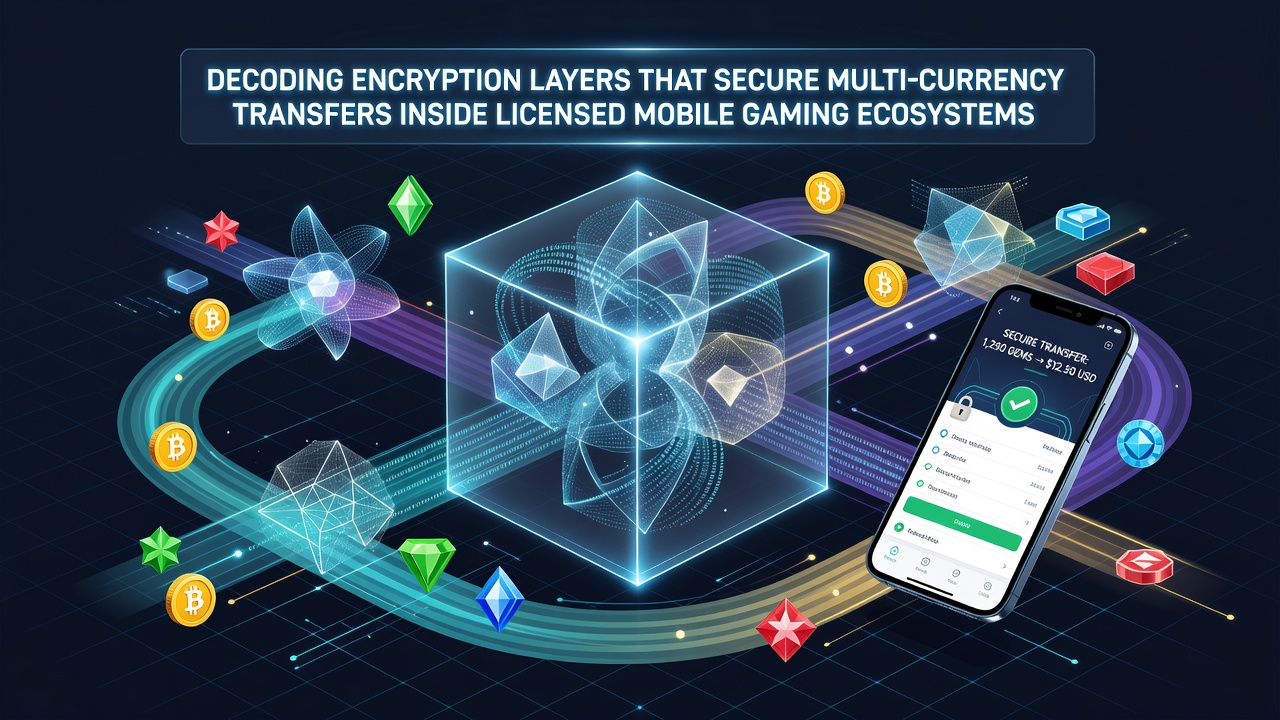
Decoding Encryption Layers That Secure Multi-Currency Transfers Inside Licensed Mobile Gaming Ecosystems
Multi-currency transfers in licensed mobile gaming ecosystems rely on stacked encryption protocols that convert transaction data into unreadable formats during transmission and storage, and these systems handle conversions across fiat currencies alongside digital assets while meeting jurisdictional requirements that took effect in August 2026.
Core Encryption Protocols in Licensed Environments
Licensed operators integrate Advanced Encryption Standard algorithms with 256-bit keys to protect payment payloads, and these implementations combine with Transport Layer Security versions 1.3 to establish secure channels between mobile applications and backend servers. Public key infrastructure certificates issued by recognized authorities verify endpoint identities before any currency exchange occurs, while session keys rotate automatically after each completed transfer to limit exposure windows.
Handling Multiple Currencies Through Layered Defenses
Systems process simultaneous conversions between regional currencies such as euros, US dollars, and yen by applying separate encryption wrappers around exchange rate data and wallet balances, and this approach prevents interception of rate calculations that could reveal user positions. Researchers at institutions tracking digital payment security note that hash-based message authentication codes tag each converted amount, and these tags travel alongside the encrypted payload to confirm integrity upon arrival at the receiving server.
Regulatory Standards Shaping Implementation
Authorities in multiple regions enforce encryption minimums that align with payment card industry standards, and data from the National Institute of Standards and Technology outlines requirements for key management that operators must follow when supporting cross-border transfers. NIST guidelines specify rotation intervals and storage separation for private keys used in multi-currency flows. In parallel, Singapore's Infocomm Media Development Authority requires documented audit trails that record every encryption layer applied during a transaction, and these records undergo review during licensing renewals.
Operators maintain isolated key vaults that store credentials separately from transaction databases, and this separation reduces the impact if one storage area faces compromise. Automated monitoring tools flag anomalies in encryption handshake patterns, and such alerts trigger immediate session termination followed by forensic logging.
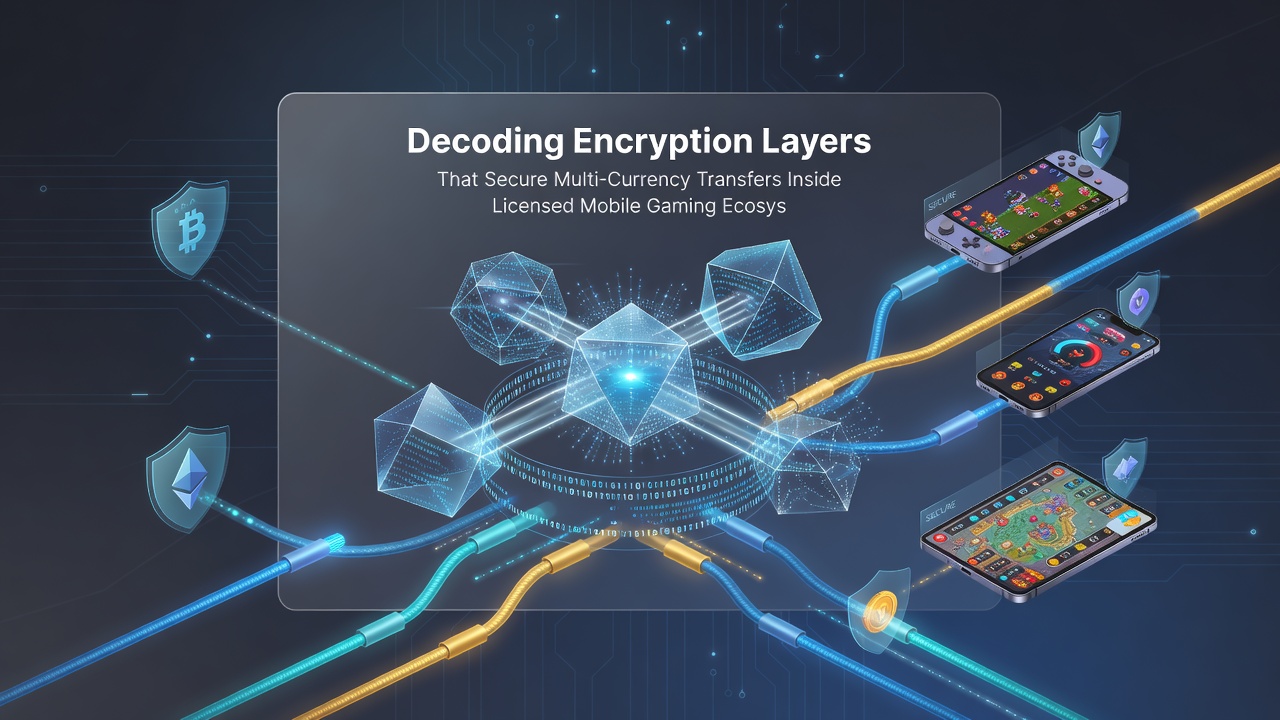
Technical Integration in Mobile Applications
Developers embed encryption libraries directly into gaming apps so that currency selection triggers on-device key generation before data leaves the handset, and this local processing adds an initial layer that operates independently from network-level protections. End-to-end encryption covers the entire path from user input through to settlement, while intermediate nodes receive only tokenized references that lack decryptable details about original amounts or currency types.
Case studies from operators in North American markets show that combining elliptic curve cryptography for key exchange with symmetric ciphers for bulk data yields measurable reductions in processing latency without weakening overall security posture. Those implementations undergo penetration testing at intervals set by licensing bodies, and test results feed into continuous improvement cycles that adjust cipher suites as computational threats evolve.
Challenges with Real-Time Currency Conversion
Real-time conversion engines must encrypt both the source amount and the calculated target value, and any mismatch in these encrypted fields halts the transfer until reconciliation completes. Observers note that timing attacks represent a persistent concern, so platforms introduce randomized delays during cryptographic operations to obscure processing signatures that could otherwise leak information about currency pair popularity.
Hardware security modules physically isolate the most sensitive operations, and these devices perform decryption only within tamper-resistant enclosures that erase keys upon detected intrusion. Licensed ecosystems in Canada and Australia have adopted similar hardware requirements, and figures from industry reports indicate rising adoption rates ahead of updated compliance deadlines set for late 2026.
Conclusion
Encryption layers that secure multi-currency transfers continue to evolve in response to both technological advances and regulatory updates across licensed mobile gaming environments. Stacked protocols, hardware protections, and rigorous key management practices form the backbone of these systems, and ongoing audits ensure alignment with standards from bodies such as the National Institute of Standards and Technology. As platforms expand currency support, the same layered approach maintains data confidentiality and transaction integrity without introducing unnecessary complexity for end users.