How Virtual Environments Shape Betting Pace and Decision Timing in Digital Card Rooms Across Device Types
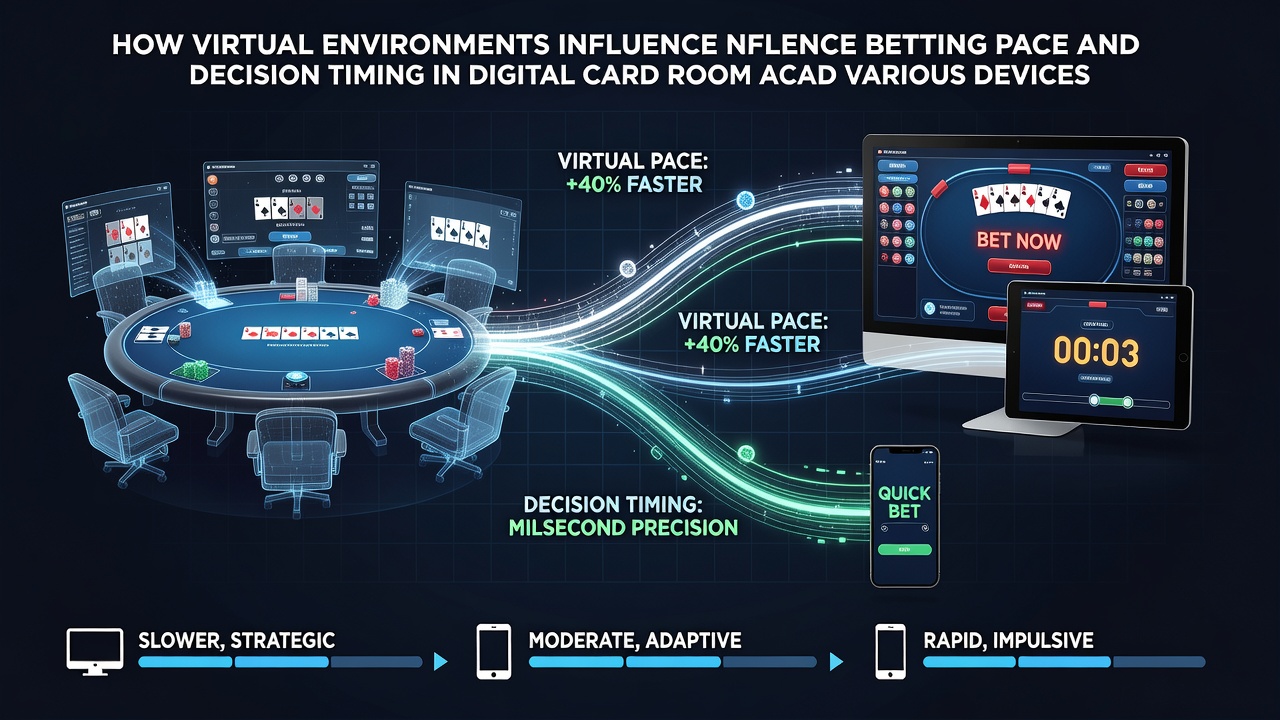
Virtual environments in digital card rooms influence how participants place bets and reach decisions, with interface design elements such as countdown timers, animation speeds, and layout density playing direct roles in pacing across platforms. Researchers tracking player sessions note that desktop setups often present wider table views with simultaneous displays of multiple opponents, which can extend consideration periods before action occurs, whereas mobile versions compress these visuals into scrollable panels that prompt quicker selections due to limited screen real estate.
Data from platform analytics in 2025 and early 2026 indicate average decision windows shorten by 12 to 18 seconds on smartphones compared with laptops when identical poker variants run under the same rulesets. Touch input contributes to this shift because finger taps register faster than mouse clicks in many systems, yet they also introduce occasional misfires that reset timers and force re-entry into the decision loop.
Interface Mechanics and Timing Structures
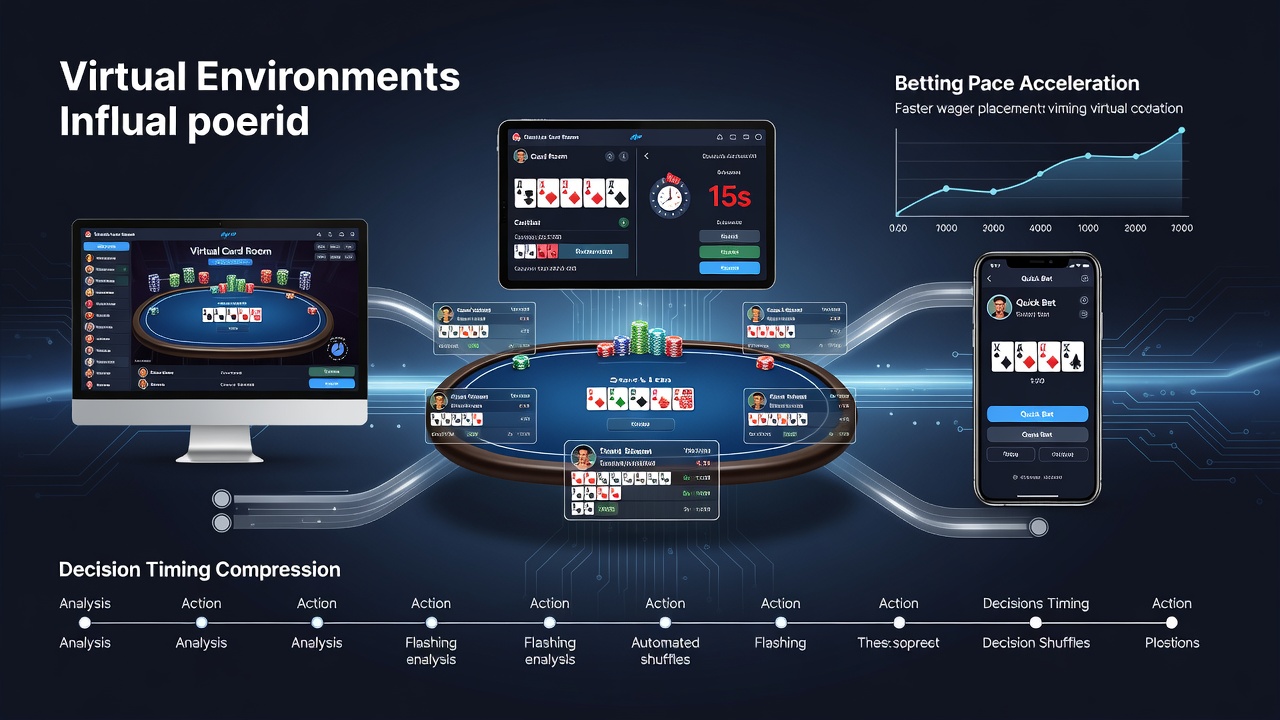
Card room operators configure virtual timers that range from 20 to 60 seconds depending on game type and stake level, with these limits enforced uniformly regardless of device. However, the surrounding environment modifies how players experience those intervals. Desktop clients frequently embed chat windows, hand history panels, and multi-table thumbnails that compete for attention, leading observers to record longer pauses before commitment on higher-stakes tables. Mobile applications reduce peripheral elements to core controls, which studies associate with elevated click-through rates once the timer drops below 15 seconds remaining.
Animation sequences for card reveals and chip movements add another layer. Platforms using 3D rendered cards on desktop hardware stretch these sequences to two or three seconds per action, inserting natural breathing room into the pace, while mobile versions optimize for lower bandwidth and compress the same animations to under one second. This compression correlates with faster betting cycles in aggregate session logs, particularly during peak evening hours when connection speeds vary by region.
Device-Specific Patterns in Decision Flow
Tablet users occupy an intermediate position in timing distributions. Larger touch surfaces allow simultaneous viewing of community cards and opponent stacks similar to desktop, yet the absence of external keyboard shortcuts means reliance on on-screen buttons that register with variable latency. Reports compiled by the Nevada Gaming Control Board during routine compliance reviews show tablet sessions averaging 3.2 seconds longer per decision than phone sessions but 7.8 seconds shorter than full desktop configurations in Texas Hold'em formats.
Network conditions further interact with device type. Users on cellular data experience intermittent delays in action confirmation, which can truncate the effective decision window even when the displayed timer remains unchanged. Wired or strong Wi-Fi connections on stationary devices eliminate this variable, allowing participants to utilize the full allotted period without external interruptions.
Regulatory and Platform Adjustments Observed Through 2026
Operators adjust default timer lengths seasonally to align with traffic patterns, shortening them during high-volume periods to maintain throughput. In August 2026, several major digital card rooms implemented dynamic scaling that reduced base timers by five seconds on mobile clients during identified rush windows while leaving desktop settings static. These changes followed internal telemetry showing mobile abandonment rates rising when decisions stacked beyond 35 seconds.
Cross-device synchronization presents ongoing challenges. Players switching mid-session from laptop to phone encounter recalibrated layouts that reposition action buttons, occasionally causing hesitation until muscle memory adapts. Platform logs indicate that such transitions add an average of 4.7 seconds to the first post-switch decision before pacing stabilizes.
Academic examinations of interface psychology, including work published through the University of Nevada Reno gaming research division, track eye-movement data across device categories. Findings reveal that mobile users fixate more frequently on the countdown indicator itself, which correlates with accelerated betting once the remaining time enters single digits. Desktop participants distribute attention across multiple screen zones, extending the overall deliberation interval.
Measurement Approaches and Aggregated Findings
Industry groups compile timing metrics through server-side logging of action timestamps relative to timer initiation. These datasets, shared among members of the International Association of Gaming Regulators, reveal consistent device-based divergences that persist across jurisdictions and game variants. Multi-table desktop players exhibit the widest variance in decision speed, with some actions completed in under eight seconds while others consume nearly the full allotment when complex pot odds calculations arise.
Single-table mobile sessions display tighter clustering around the midpoint of available time, suggesting the constrained interface encourages more standardized pacing. Observers note that these patterns hold across both recreational and professional cohorts when sample sizes exceed several thousand hands per category.
Conclusion
Virtual environment parameters continue to evolve alongside hardware capabilities, with card room operators refining layouts to balance engagement and operational flow. Device differences in screen size, input method, and rendering speed produce measurable effects on betting cadence and decision intervals that remain visible in session data collected through mid-2026. Continued monitoring by regulatory bodies and research institutions tracks these shifts as platforms introduce incremental interface updates.