Mapping Certification Timelines for Algorithmic Compliance in Cross-Border Digital Entertainment Networks

Digital entertainment networks span multiple continents and rely on algorithms for content recommendation, user personalization, and moderation processes. Certification timelines for these systems vary based on regional regulatory requirements for transparency, data handling, and fairness standards. Mapping these timelines requires coordination between developers, auditors, and oversight bodies to align submission deadlines with operational launches.
Core Elements of Algorithmic Compliance Certification
Certification processes typically begin with documentation of algorithm design, training data sources, and decision-making logic. Regulatory frameworks in different regions demand specific testing protocols before approval. For instance, systems handling user data across borders must demonstrate adherence to privacy safeguards during initial review stages, which often span 90 to 180 days depending on the jurisdiction involved.
Experts at organizations such as the European Commission track how algorithmic audits feed into broader compliance maps. These maps outline sequential phases including pre-submission validation, third-party evaluation, and final sign-off. Data from 2025 submissions shows that cross-border networks frequently encounter delays when reconciling European requirements with those from North American or Asia-Pacific regulators.
Regional Variations in Timeline Structures
North American frameworks emphasize risk categorization for entertainment algorithms, leading to shorter initial assessment windows of 60 days for low-impact systems. In contrast, Australian oversight through the ACMA incorporates extended monitoring periods after provisional approval. July 2026 marks the rollout of updated synchronization guidelines aimed at reducing overlap in audit cycles for platforms operating in both regions.
Observers note that certification maps often use Gantt-style visualizations to plot milestones against calendar dates. These tools help identify bottlenecks where one jurisdiction's data disclosure rules conflict with another's encryption standards. Research from academic consortia indicates that integrated timelines cut average approval durations by up to 25 percent when shared early among stakeholders.
Practical Mapping Techniques and Data Inputs
Professionals construct timelines using inputs from regulatory portals, audit reports, and internal development schedules. Key data points include submission receipt dates, feedback turnaround estimates, and retesting intervals. Canadian regulatory records reveal that entertainment networks processing international user streams require separate compliance tracks for content algorithms versus advertising systems.
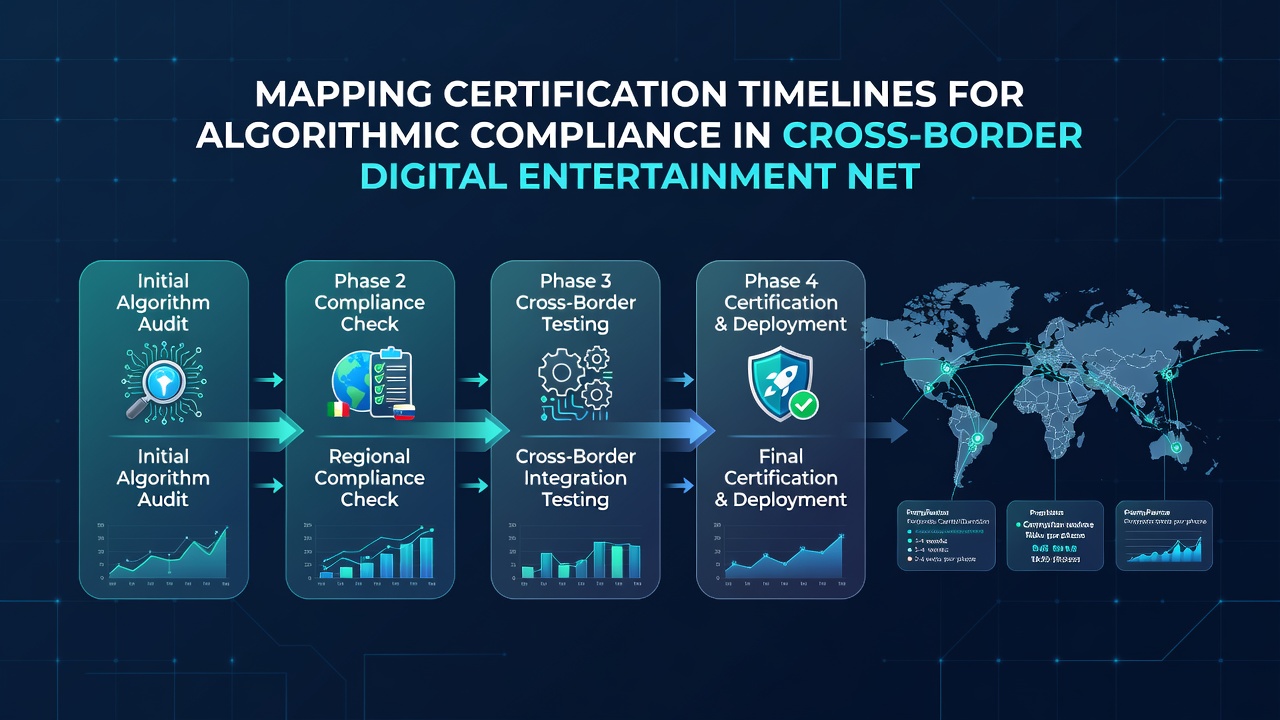
Industry reports highlight how automated tracking software integrates with these maps to flag approaching deadlines. One documented case involved a streaming service that adjusted its European certification start date by six weeks to accommodate concurrent Australian reviews. Such adjustments appear in public filings when networks publish updated compliance calendars.
Challenges in Synchronizing Multi-Jurisdictional Processes
Time zone differences and varying holiday schedules create friction points in timeline execution. Additional layers arise when algorithms undergo updates mid-certification, triggering fresh review cycles in select markets. Figures from regulatory databases show that 40 percent of cross-border entertainment projects in 2025 required at least one extension due to these synchronization issues.
Mapping software now incorporates buffer periods derived from historical compliance data. These buffers account for common delays observed in data localization audits and bias testing phases. Networks that embed such contingencies report smoother transitions when entering new markets.
Conclusion
Effective mapping of certification timelines supports smoother operations for digital entertainment networks navigating multiple regulatory environments. Ongoing refinements to these maps draw from aggregated submission outcomes and regional policy shifts. Continued collaboration among oversight entities helps refine the accuracy of projected milestones for algorithmic compliance.