Navigating Regional Licensing Variations on Interactive Dealer Experiences Within Smartphone Gambling Applications
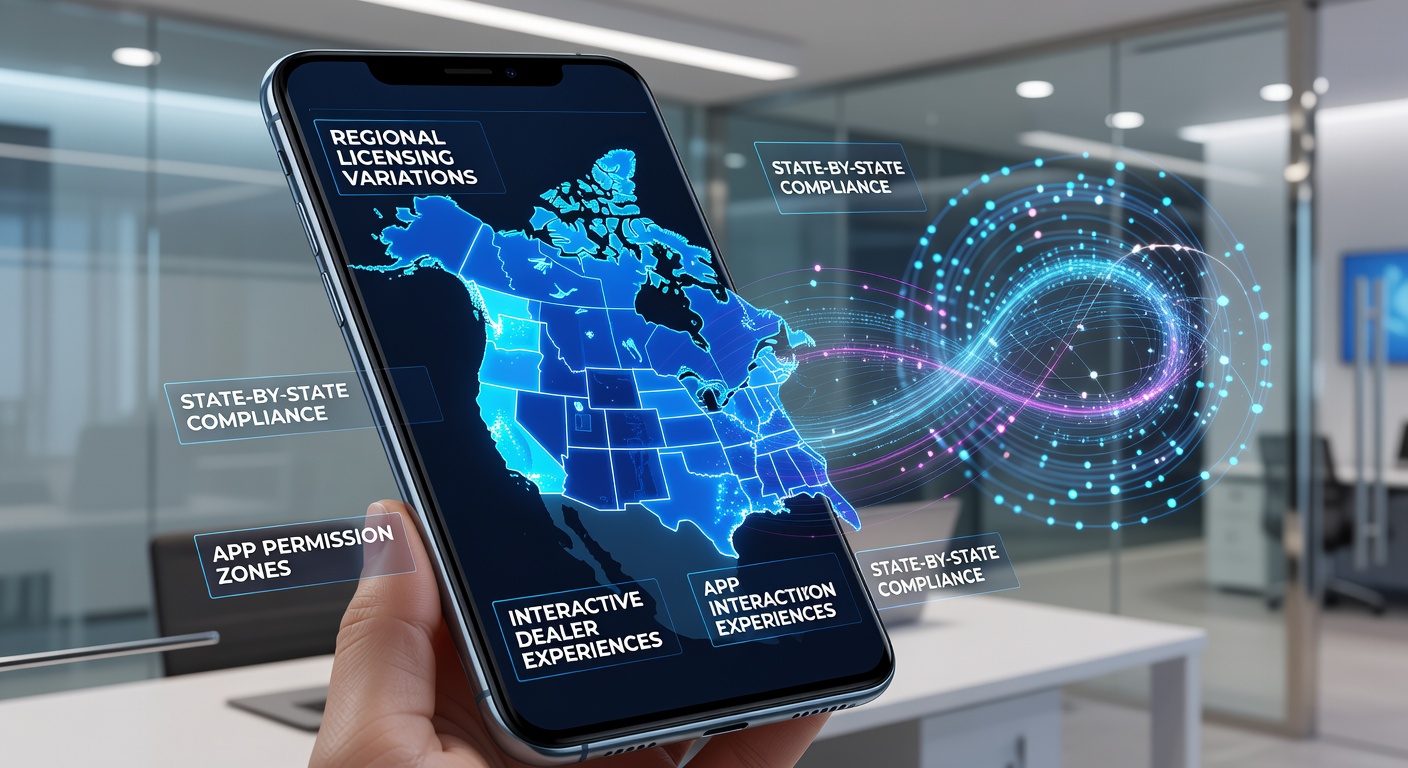
Smartphone gambling applications featuring interactive dealer experiences operate under a patchwork of regional licensing rules that dictate everything from camera angles and shuffle protocols to player verification sequences and cross-border data flows, and these frameworks continue to evolve as new jurisdictions finalize their mobile gaming statutes.
State-by-State Requirements in the United States
American operators must align their live dealer streams with individual state gaming commissions, which means an app available in New Jersey may require separate certification for Pennsylvania users because each regulator imposes distinct technical standards on video latency, dealer attire, and real-time audit logging, while Nevada maintains stricter rules around geofencing precision and identity checks that affect how quickly a session can begin on a mobile device.
Data collected by the American Gaming Association shows that states with mature mobile frameworks process live dealer approvals in under 45 days when applications include full source code reviews, whereas emerging markets often extend that timeline beyond 90 days due to additional hardware testing mandates.
European Regulatory Approaches
European markets present another layer of complexity where Malta's gaming authority and Sweden's gambling regulator apply different thresholds for interactive dealer certification, particularly around the use of automated card recognition systems and the mandatory separation of game servers from streaming infrastructure, and these distinctions force developers to maintain parallel app versions that toggle features based on detected user location.
One case study from a major operator revealed that adapting a single live roulette product for both markets required 14 separate code branches to satisfy each authority's encryption and logging specifications.
Technical Adaptations for Mobile Platforms
Developers respond to these licensing variations by building modular applications that activate or deactivate dealer interaction elements according to GPS and IP data, and this approach allows a single download to serve users across multiple regions while still meeting local compliance obligations, although it increases testing overhead and update cycles.
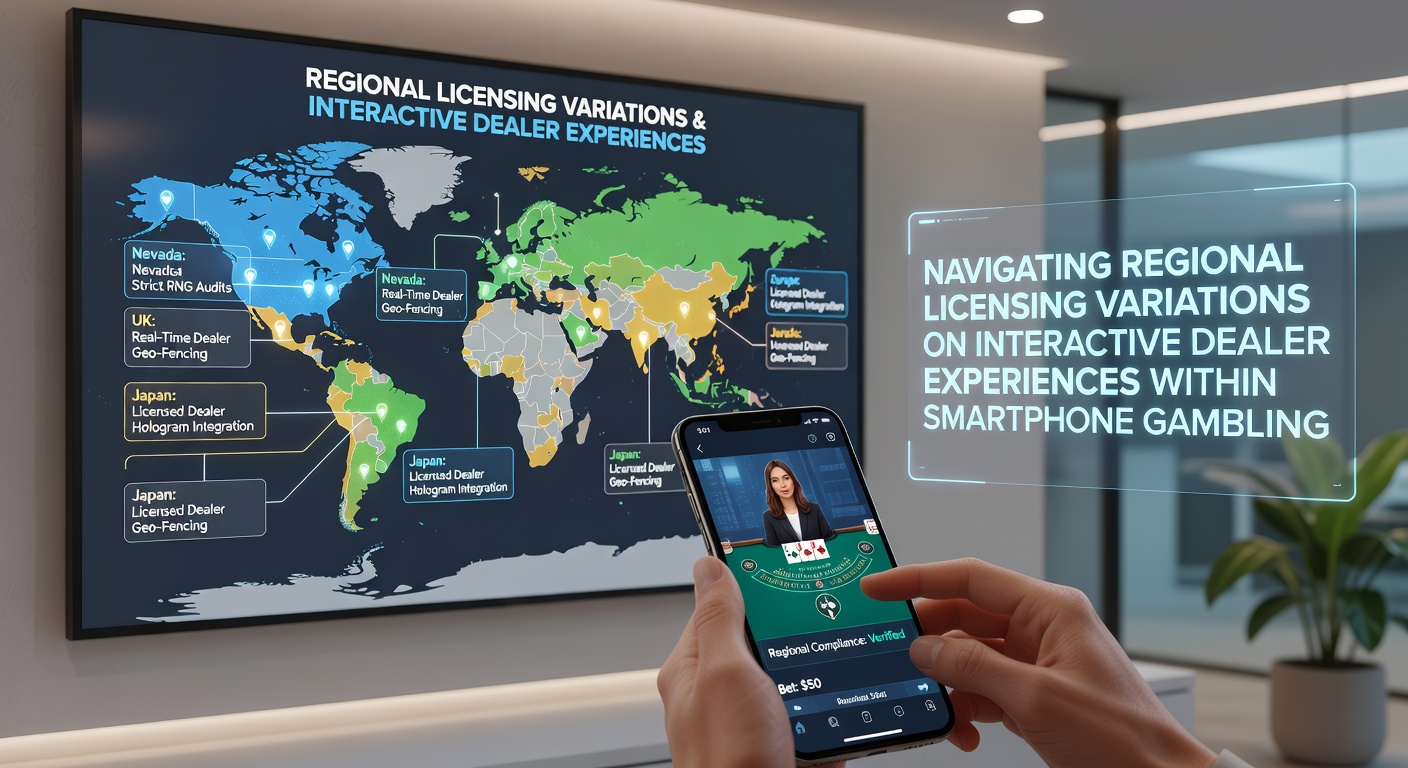
Figures from industry reports indicate that companies allocating at least 22 percent of their development budget to regulatory mapping experience 35 percent fewer post-launch compliance incidents compared with those that treat licensing as an afterthought.
Player Verification and Session Management
Licensing bodies in Australia and several Canadian provinces require biometric confirmation at the start of every live dealer session on mobile devices, which adds seconds to login flows but reduces fraud rates according to government-submitted performance data, and these same rules often prohibit certain camera perspectives or dealer interactions that other jurisdictions permit without restriction.
Operators therefore embed conditional logic that adjusts the user interface once the app detects the governing authority, ensuring that features like side-bet options or chat functions appear only where explicitly authorized.
Developments Expected in May 2026
Regulatory updates scheduled for May 2026 in multiple U.S. states and select European countries are expected to introduce unified reporting formats for live dealer activity logs, which could reduce the need for duplicated data storage across regional servers, yet developers still anticipate continued divergence in areas such as maximum table stakes and allowed game variants.
Those preparing for the changes have already begun mapping their current codebases against draft requirements released earlier this year.
Conclusion
Regional licensing variations continue to shape every technical and operational decision surrounding interactive dealer experiences on smartphone gambling applications, from initial certification through ongoing maintenance, and successful navigation depends on maintaining flexible architecture alongside continuous monitoring of regulatory announcements across jurisdictions.