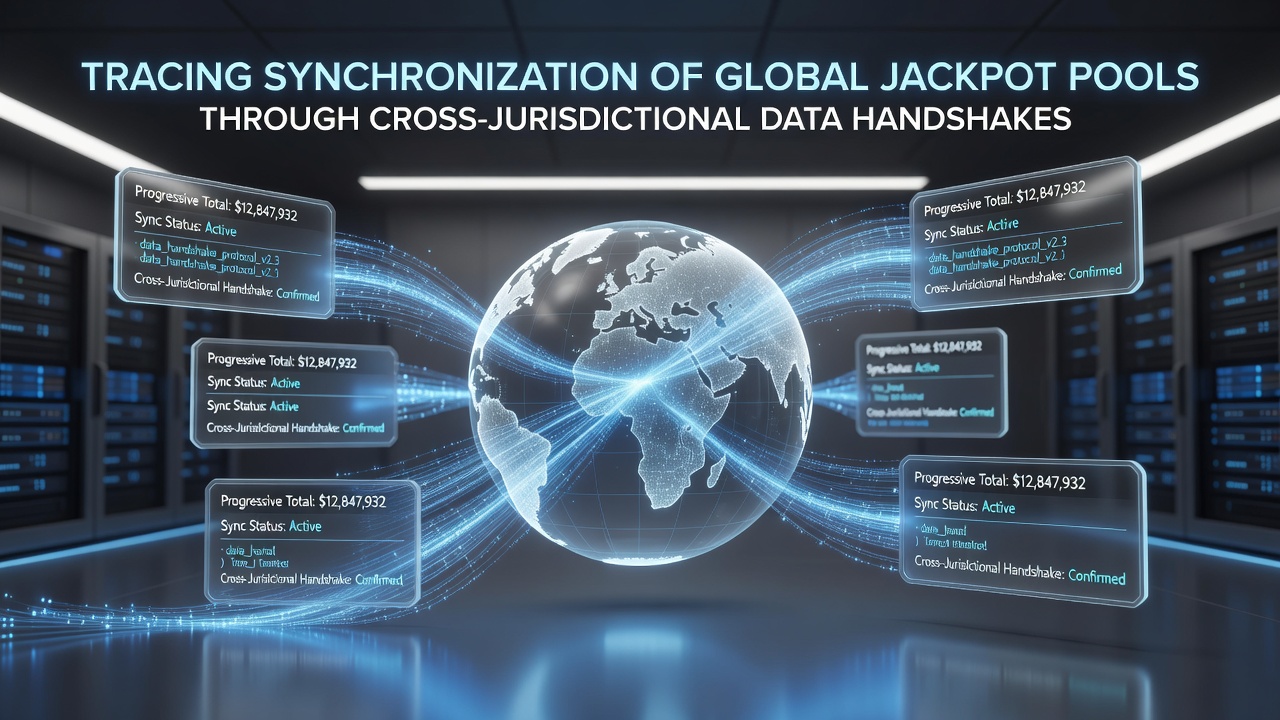
Tracing the Synchronization of Global Jackpot Pools Through Cross-Jurisdictional Data Handshakes in Interconnected Slot Networks
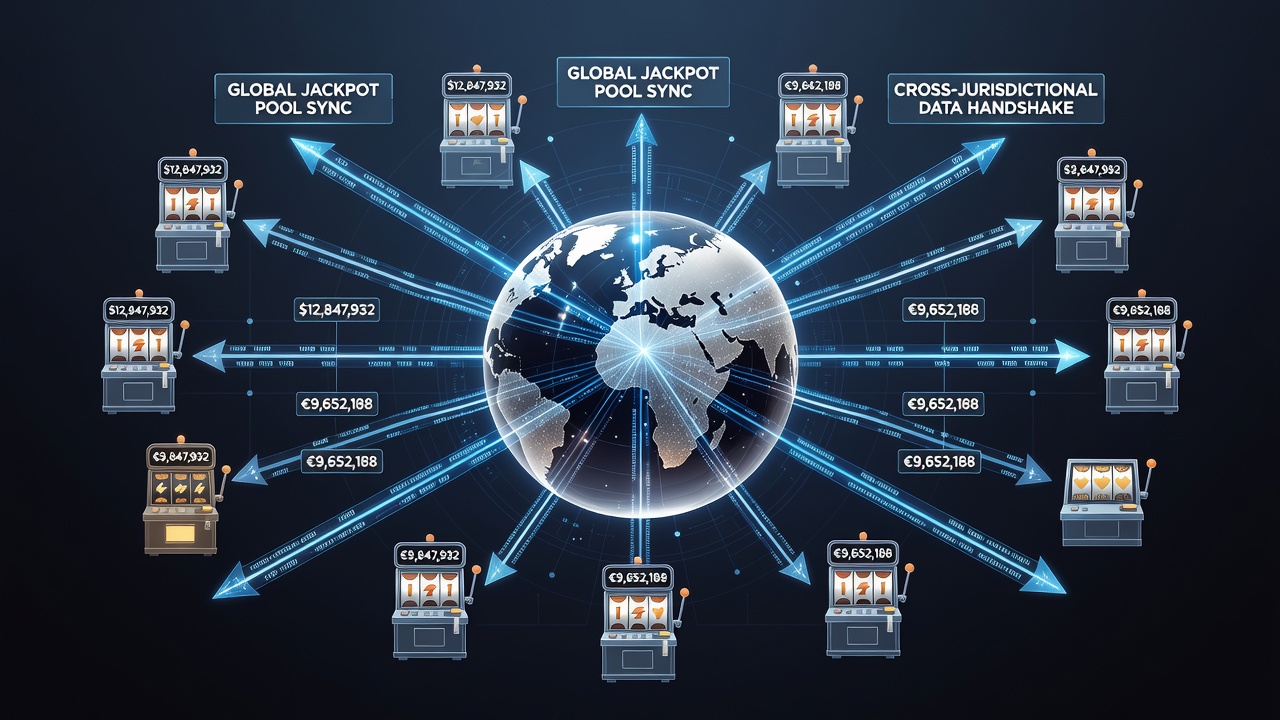
Global jackpot pools in interconnected slot networks rely on precise data synchronization that spans multiple regulatory jurisdictions, and operators achieve this coordination through structured data handshakes that transmit pool contributions and payout triggers in real time. These systems connect machines across borders while complying with local licensing rules, and the process requires secure protocols that verify each transaction before updating shared prize amounts. Data handshakes function as standardized exchanges where one system sends contribution data and receives confirmation that the central pool has incorporated the update accurately.
Mechanics of Cross-Border Data Exchange
Slot networks transmit incremental bets from individual machines to a central server that aggregates contributions into a single progressive pool, and each handshake includes encrypted packets containing timestamp, machine identifier, bet amount, and jurisdiction code. Servers in different regions process these packets sequentially to maintain consistency, while firewalls and compliance layers filter out any data that violates local rules on prize capping or player eligibility. Research from the University of Nevada Reno's gaming laboratory indicates that latency under 500 milliseconds remains essential for accurate pool tracking across time zones.
Operators in North America and Europe often route traffic through neutral data centers that apply jurisdiction-specific filters before forwarding updates to the main ledger, and this architecture prevents any single authority from controlling the entire pool. The process repeats thousands of times per minute during peak hours, with each successful handshake logged for later audit by regulators in participating regions.
Regulatory Variations Across Jurisdictions
Different licensing bodies impose distinct requirements on how jackpot data moves between systems, and Pennsylvania's Gaming Control Board requires real-time reporting of all cross-state contributions while Canadian provincial regulators focus on post-session reconciliation reports. Australian state authorities emphasize mandatory disconnection protocols if a handshake fails more than three consecutive times, and these rules shape the technical design of the underlying software. Observers note that networks must maintain parallel compliance modules rather than a single global standard, because each jurisdiction retains authority over prize distribution within its borders.
In August 2026 several networks plan to test updated handshake protocols that incorporate additional checksum layers for jurisdictions with stricter data residency laws, and preliminary documentation from the International Association of Gaming Regulators shows these tests aim to reduce reconciliation disputes by 40 percent. The changes address concerns that older methods sometimes created temporary discrepancies when machines in one region went offline during peak contribution periods.
Security Protocols and Audit Trails
Encryption standards for jackpot data handshakes typically follow AES-256 with rotating keys managed by independent certificate authorities, and each participating casino receives a unique session token that expires after a fixed number of transactions. Audit systems capture every handshake attempt, successful or failed, and store the records in immutable logs that regulators can query during routine inspections. Data from the New Zealand Department of Internal Affairs demonstrates that networks using multi-signature verification experience fewer unauthorized access attempts compared with single-key systems.
Technicians monitor heartbeat signals between regional servers to detect network partitions early, and automated failover routes redirect traffic to backup nodes without interrupting pool growth. These measures ensure that a jackpot continues to accumulate even when primary connections between two jurisdictions experience temporary outages.
Future Developments in Pool Synchronization
Engineers continue to refine handshake efficiency by testing quantum-resistant algorithms that could replace current encryption methods within the next decade, and pilot programs in select European and Asian markets have already demonstrated reduced processing overhead. The shift toward these stronger protocols reflects growing regulatory interest in long-term data security as jackpot pools exceed several hundred million dollars in combined value. Industry reports indicate that successful implementation depends on coordinated rule changes across multiple licensing bodies rather than unilateral technical upgrades.
Conclusion
Cross-jurisdictional data handshakes form the operational backbone that keeps global jackpot pools synchronized across interconnected slot networks, and the technical and regulatory frameworks supporting them continue to evolve in response to new security standards and licensing requirements. Accurate tracking relies on encrypted exchanges, redundant routing, and jurisdiction-specific compliance layers that together maintain both fairness and transparency for players in every participating region.