Unpacking Gesture Recognition Systems That Allow Players to Place Wagers Through Device Movements in Digital Casino Environments
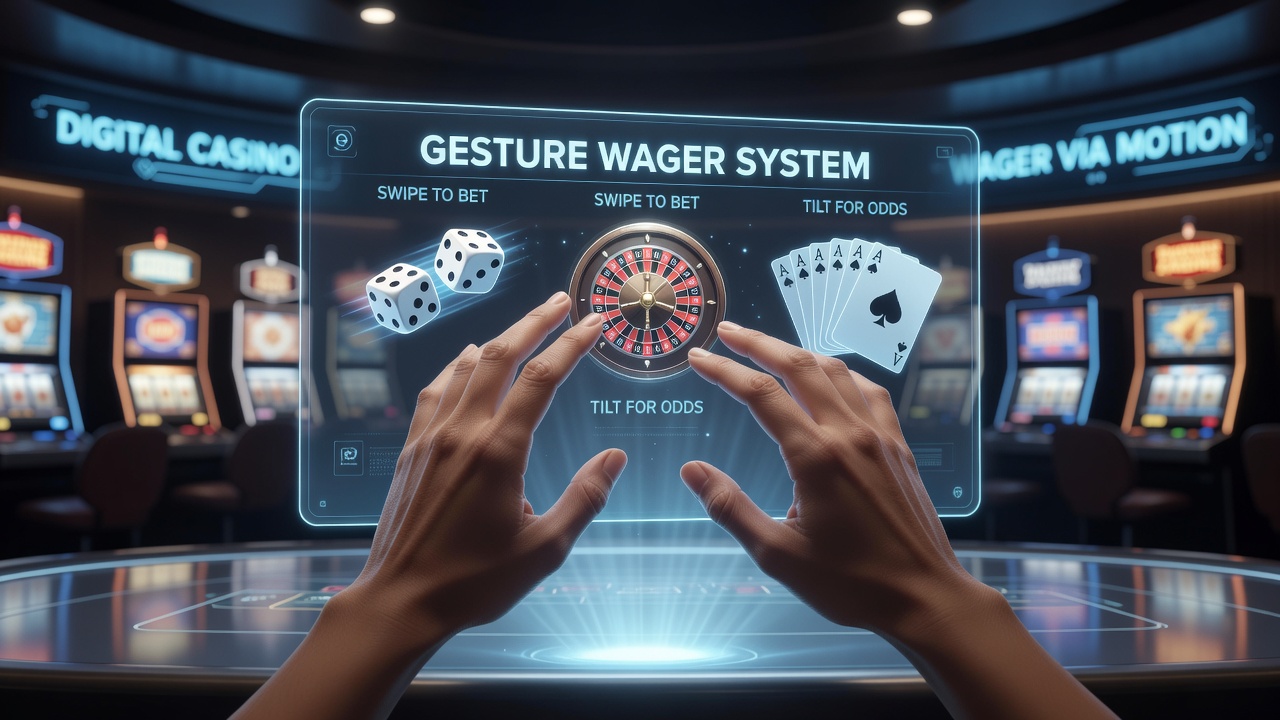
Gesture recognition systems in digital casino environments translate physical device movements into betting commands through built-in sensors such as accelerometers and gyroscopes combined with machine learning algorithms that interpret motion patterns in real time, and these technologies have expanded across mobile platforms since their initial deployments in the early 2020s. Operators integrate the systems into slot machines and table games where players tilt smartphones to adjust wager amounts, shake devices to initiate spins, or swipe in specific directions to confirm bets without tapping on-screen buttons. Data from industry reports indicates that adoption rates climbed steadily through 2025 as smartphone hardware improved processing speeds for low-latency motion detection.
Core Technology Components
Sensors collect raw data on device orientation and velocity while algorithms filter noise from intentional gestures versus accidental movements, and calibration routines allow users to set personal sensitivity thresholds that match their playing style. Developers train models on large datasets of recorded motions to distinguish between a deliberate tilt for increasing a bet and minor hand tremors that occur during normal use. Research from academic institutions shows that accuracy rates now exceed 95 percent in controlled tests when multiple sensor inputs combine with contextual game state information.
Integration happens through software development kits that connect to existing casino platforms and these kits handle secure transmission of gesture data to prevent tampering during wager placement. Encryption protocols wrap the motion signals before they reach the game server and logging mechanisms record every recognized gesture for audit trails required by licensing authorities. In June 2026 several operators rolled out updated versions that added support for multi-axis gestures allowing more complex betting sequences in live dealer environments.
Implementation Across Game Types
Slot titles represent the most common application where players shake the device to start reels or tilt left and right to select paylines and progressive jackpot systems link these motions directly to bet multipliers displayed on screen. Table games such as blackjack and roulette incorporate gesture controls for actions like doubling down or placing side bets with observers noting that these features reduce reliance on touch interfaces during extended sessions. Live streamed sessions combine gesture inputs with video feeds so that players maintain engagement while the dealer handles physical cards or wheels in remote studios.
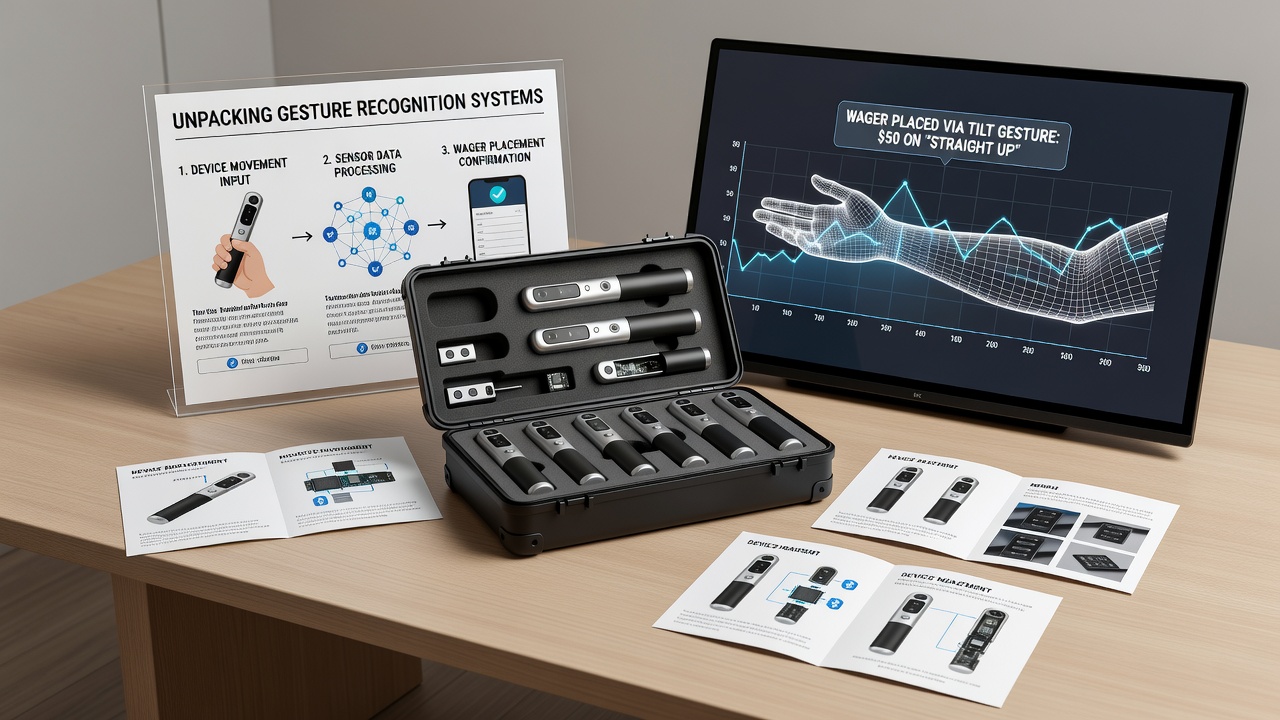
Regional variations appear in how platforms deploy the technology because some jurisdictions require explicit user confirmation after each gesture while others permit fully automated sequences once initial calibration completes. Canadian provincial regulators and Australian state authorities have issued guidelines that emphasize clear visual feedback when a motion registers as a wager and these rules help minimize disputes over unintended bets. European operators follow frameworks established by bodies such as the Malta Gaming Authority which mandates testing of gesture accuracy before market release.
Regulatory and Security Considerations
Licensing bodies examine the underlying algorithms during certification processes to verify fairness and prevent manipulation through external devices or software exploits. Testing protocols simulate thousands of gesture sequences under varying conditions including different device models and operating systems while independent labs validate that the system rejects invalid inputs without affecting game outcomes. According to data shared by the Nevada Gaming Control Board motion-based wagering features must maintain the same random number generation standards applied to traditional interfaces.
Security extends beyond encryption to include anomaly detection that flags unusual motion patterns potentially indicating bot activity or shared device usage and operators respond by temporarily pausing sessions for manual review when thresholds trigger. Privacy protections require that raw sensor data remains on the device unless explicitly transmitted for wager processing and deletion policies remove stored calibration profiles after account inactivity periods specified in user agreements.
Current Developments in Mid-2026
June 2026 brought announcements from multiple software providers about expanded gesture libraries that support wearable device integration allowing players to use smartwatches for secondary confirmations during high-stakes rounds. Partnerships between hardware manufacturers and gaming studios focus on optimizing sensor fusion techniques that combine motion data with touch and voice inputs for hybrid control schemes. Industry associations report that these advancements coincide with broader mobile hardware upgrades that increase gyroscope precision across mid-range smartphones.
Player analytics collected by operators reveal patterns in gesture preference across demographics and regions while aggregated figures show higher engagement times in titles that offer both gesture and traditional controls. Training modules within apps guide new users through sample motions before real-money play begins and these tutorials adjust based on individual success rates recorded during practice sessions.
Conclusion
Gesture recognition continues to evolve as a supplementary interface within digital casino environments supported by ongoing refinements in sensor technology and regulatory oversight. Systems rely on established hardware capabilities paired with sophisticated software to deliver secure wager placement through device movements and their deployment reflects coordinated efforts among developers, operators, and licensing authorities across multiple jurisdictions. Data from ongoing implementations provides feedback loops that drive incremental improvements in accuracy and user accessibility.