Unraveling Cross-Platform Loyalty Tracking Networks That Shape Player Retention Patterns in Regulated Digital Gambling Environments
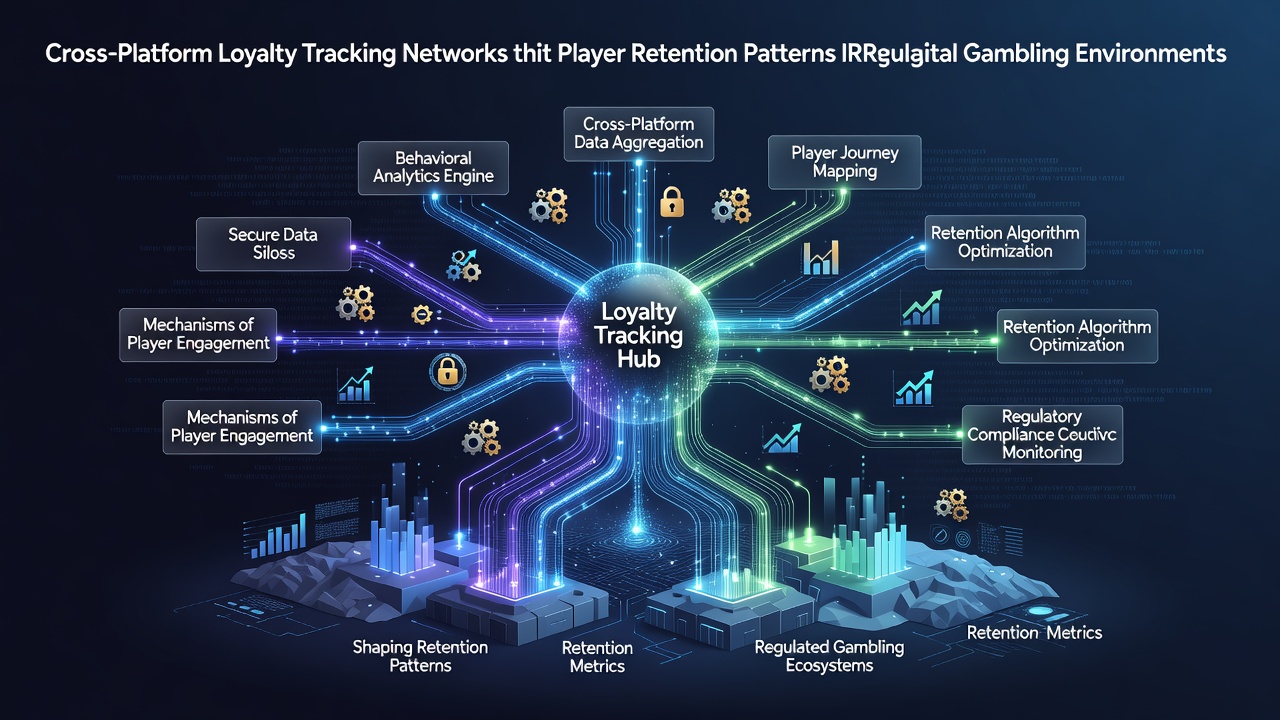
Cross-platform loyalty tracking networks connect player activity across multiple regulated digital gambling platforms, and these systems collect data on betting patterns, session durations, and reward redemptions to influence retention rates. Operators integrate these networks through shared databases that comply with jurisdictional requirements, allowing seamless point accumulation whether users switch between mobile apps, desktop sites, or partnered venues. Data from regulatory filings indicates that such integration began accelerating around 2023 as states expanded online licensing frameworks, with networks now handling millions of transactions monthly in markets like New Jersey and Pennsylvania.
Mechanics Behind Cross-Platform Data Integration
These networks operate by assigning unique player identifiers that persist across platforms, and they pull information from game servers, payment processors, and bonus engines into centralized repositories. Researchers at institutions like the University of Nevada Reno have documented how algorithms analyze variables such as wager frequency and game preferences to generate personalized retention triggers, including targeted free spins or deposit matches. In July 2026 several North American regulators updated their reporting standards, requiring operators to disclose how these identifiers link across brands without compromising encryption protocols that protect user information.
Implementation varies by region, yet common elements include API connections between different software providers and real-time synchronization that updates loyalty balances within seconds of activity. Observers note that European markets have adopted similar models under frameworks from bodies like the Malta Gaming Authority, where cross-border operators must maintain audit trails for all data transfers. The systems avoid direct sharing of personal details in some cases by using tokenized references, which reduces exposure while still enabling accurate reward calculations.
Retention Patterns Shaped by Network Analytics
Retention metrics shift when networks deploy predictive models that forecast churn risks based on declining engagement signals, and operators respond with interventions such as tier upgrades or exclusive event invitations. Figures from industry reports compiled by the Canadian Gaming Association reveal that players enrolled in multi-platform programs exhibit 18 to 25 percent longer average account lifespans compared to those on isolated systems. These patterns emerge because the networks surface consistent value across environments, encouraging users to consolidate activity rather than migrate to competitors.
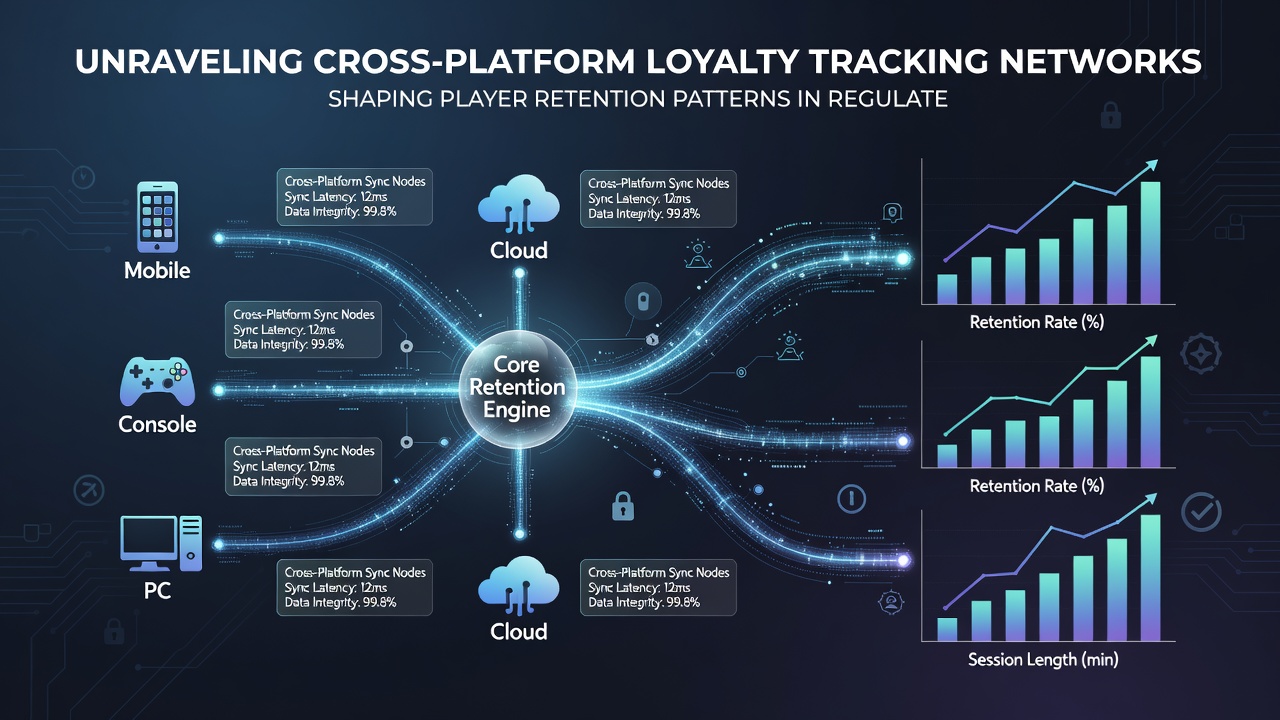
Take one operator group that linked its online slots platform with a live dealer application, where the combined network detected users who favored high-volatility games and routed bonus offers accordingly. This approach led to measurable upticks in weekly active users, according to aggregated data shared at gaming technology conferences. What's interesting is how geographic restrictions influence these outcomes, since players in states with strict licensing see fewer cross-brand opportunities than those in multi-license markets.
Regulatory Oversight and Compliance Requirements
Regulators in Australia through the Victorian Commission for Gambling and Liquor Regulation mandate that loyalty networks undergo periodic third-party audits to verify fairness in point allocation and redemption values. These audits examine whether tracking algorithms inadvertently favor certain demographics or game types, adn operators must submit anonymized datasets for review. In the United States, the New Jersey Division of Gaming Enforcement requires explicit consent language in terms of service before any cross-platform data movement occurs.
Compliance also extends to data retention limits, where networks purge inactive profiles after defined periods to align with privacy statutes. Industry organizations such as the European Gaming and Betting Association have published guidelines that encourage transparent disclosure of how retention scores affect promotional eligibility. Those guidelines stress that networks must separate loyalty functions from responsible gambling monitoring tools, even when both draw from the same underlying activity logs.
Technological Infrastructure Supporting These Networks
Cloud-based platforms and distributed ledger elements form the backbone for many loyalty networks, allowing secure scaling as user bases grow. Software vendors supply modular components that handle everything from real-time event streaming to historical cohort analysis, and these tools integrate with existing casino management systems. Studies published in the Journal of Gambling Studies have examined how latency reductions in data pipelines correlate with higher redemption rates, since players respond more readily to offers delivered during active sessions.
Security measures include end-to-end encryption and access controls that limit which staff members view aggregated versus individual records. As jurisdictions introduce new digital gambling licenses in 2026, operators expand these infrastructures to accommodate additional platforms without disrupting existing player experiences.
Conclusion
Cross-platform loyalty tracking networks continue to evolve within regulated digital gambling environments, and they rely on integrated data flows to sustain player engagement across diverse platforms. Regulatory updates in July 2026 have reinforced requirements for transparency and auditability, while research from academic and industry sources documents their measurable effects on retention durations. Operators that align network design with compliance standards maintain operational continuity while supporting the data-driven strategies that define modern digital gambling markets.